
CIOReview APAC Weekly Brief
Be first to read the latest tech news, Industry Leader's Insights, and CIO interviews of medium and large enterprises exclusively from CIOReview APAC
A featured contribution from Leadership Perspectives: a curated forum reserved for leaders nominated by our subscribers and vetted by the CIOReview Advisory Board.

QBE Insurance [ASX: QBE]
Marketing Advocating for the Customers, Capturing The Essence of Customer Ambition
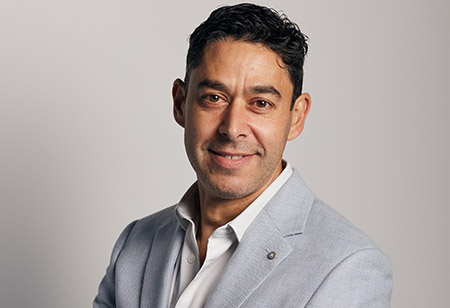
David Hirsch
What are some of the major challenges and trends that have been impacting the digital marketing space?
One of the biggest changes is the advent of the ‘cookie-less future,’ which is partly here now with Apple and partly on the ever-shifting horizon, with Google recently announcing that they will further delay their implementation to 2024. What this is really about is 1st vs. 3rd party data and improving privacy and security for individuals.
Now marketing should be advocating for the customer, so the real challenge for Chief Marketing Officers and marketers is how to curate an outstanding personalized, authentic, and relevant customer experience without access to 3rd party data and when (1st party) data is not complete.
Personally, I believe this is ultimately a good change for consumers and individuals and a positive forced change for marketers and organisations. I say this because change is uncomfortable, but it ‘usually’ leads to improvements, optimization, and opportunity.
For too long, marketers have relied on 3rd party data, and this has meant they have not invested in their own data capability, and it has led to complacency. The rise of the Customer Data Platform (CDP) is intrinsically linked to these changes, and if they had been implemented sooner, then marketers and organizations would have moved down this path sooner. The benefits of these changes do not only rest with the customer. Using 1st party data allows organizations to take control of their own data, privacy, and security strategies.
What keeps you up at night regarding some of the major predicaments in the digital marketing space?
Having come from an ecommerce and digital marketing background and then gradually being exposed to all of the marketing, I really do believe that marketing is now digital rather than digital marketing. Funnily enough, your first question led me to talk about what I am concerned about. As a marketer, I believe in only promoting products and services you personally believe in and that your marketing interactions with customers should be positive and authentic. I love technology and the possibilities, but I also worry about the social impacts it has on all of us and what role marketing is playing in that–marketers have a social responsibility, but I fear this is often forgotten.
The other question that I often ponder is the balance between brand (long term) vs. direct marketing (short term) strategies and activity. I came from a commercially and data-driven marketing philosophy and was a staunch supporter of short-term vs. long-term. But as we know, the data was always there to support brand and longer-term marketing strategies, but it had not been articulated well. Today I believe in a strong mix of both depending on the situation and at QBE today, you will have seen a mix of short-term tactical marketing with longer-term brand-led marketing.
Can you tell us about the latest marketing strategy that you have been working on, and what are some of the technological and process elements that you leveraged to make the strategy successful?
Most recently, at QBE in Australia, I have been working on developing and rolling out a new brand platform called ‘Before & After.’ The Before and After brand platform perfectly captures the essence of our customer ambition. We don’t simply offer insurance. We’re all about being there before and after–helping our customers to protect and prevent the ‘what ifs’ and being there to support if anything goes wrong.
The platform ensures alignment to QBE’s purpose and consistency in brand execution and articulation while maximizing ROI. Rolling out this platform required a complete review of all assets across the QBE Australia Pacific business, as well as engaging with and understanding the needs of our customers, partners, and business divisions. To ensure consistency, I also implemented a marketing operations platform that allowed us to store all approvals and assets in a central location and made this the single source of truth for marketing assets with an integrated Digital Asset Management (DAM). Using this technology has enabled us to maintain the intent of the brand platform and purity of execution post-launch.
Which are some of the technological trends which excite you for the future of the marketing space?
Voice had been touted as an area to watch but has not yet delivered on that promise, and I believe that’s because ‘most’ marketing today is not invisible and is often unwanted. For voice and other emerging technologies to work with marketing in a different way than it does today, then it will need to be permissive and contextually based. A great marketing experience is the one that you tell to your friends and that they tell to their friends. Yes, word of mouth still works!
The future of marketing should improve from its position today and make sure it does not go down the path envisioned by Nolan Sorrento’s character in the movie Ready Player One!
How can budding and evolving companies reach you for suggestions to streamline their business?
